 Stride Rite
Side-by-side comparison
High-Top vs. Low-Top Toddler Sneakers
A practical comparison of entry opening, ankle coverage, weight and daily movement.
Start here
Collar height changes how a shoe opens, covers the ankle area and interacts with trousers, but it does not decide fit or support by itself. High-tops may bring longer lacing, straps or padding; low-tops may create a wider entry and less material around the ankle. Both categories contain soft and structured models. Compare the geometry of dressing and movement rather than assuming one silhouette is safer. The useful question is whether the exact collar, tongue, fastening and sole work together for the child's foot, clothing and routine without rubbing, gaping or adding unnecessary effort.
Trace the entry path
Open each candidate as far as its design allows. A high-top may need laces loosened through several eyelets or a strap released before the heel can pass. A low-top can still have a narrow throat or fixed elastic that makes entry difficult. Trace the path from toes into the forefoot, instep under the tongue and heel down into place. If the shoe requires pushing against a curled foot or collapsed collar, the opening may not suit the routine. Entry geometry is a concrete difference that can be assessed without making broad claims about ankle function.
Map collar contact while moving
Note where the collar meets the ankle when the child stands, crouches and climbs a low safe step. High-tops create a larger contact zone, and seams or padding may shift as the foot bends. Low-tops leave more of the ankle area uncovered but can have a firm edge near the heel. Use the intended socks and check both sides after a short indoor trial. Persistent marks, rubbing or a request to stop are reasons to reassess. Collar height should be judged by actual contact and movement, not by a promise that more material automatically provides beneficial support.
Compare closure travel
High-tops often offer adjustment higher on the foot, but that advantage depends on the lacing path or strap placement. Some zip-side styles use laces mainly for appearance; some low-tops have two straps with substantial volume control. Identify every functional closure and how far the upper can change. Make sure the tongue lies flat and the top is not tightened to compensate for a loose heel caused by wrong length or width. A secure shoe distributes hold without creating a pressure ring around the ankle.
Account for clothing interference
Cuffed trousers, leggings, rain pants and thick socks can sit differently against a high collar. Fabric may bunch inside, cover a strap landing zone or direct water toward the opening. Low-tops may fit under more hems but leave socks exposed to debris or moisture. Dress the child in the clothes normally worn with the pair during the home assessment. Do not tuck bulky fabric into a shoe unless the clothing and footwear are designed for that arrangement. A silhouette that looks coordinated in a product image may create an awkward real-world interface.
Observe weight and sole leverage
High-top uppers add material, but outsole construction often contributes more to total bulk. Compare whole-shoe weight in hand and view the sole perimeter. A light canvas high-top may be less cumbersome than a thick low athletic shoe. During movement, watch toe clearance, turning and whether the upper twists independently of the sole. Avoid attributing every difference to collar height. The objective is a manageable unit whose flex, footprint and fastening remain aligned, not a high-versus-low verdict based on one dimension.
Inspect hidden wear zones
High collars can crease around the ankle and hide lining wear; long tongues may fold or shift. Low collars can abrade at the heel edge, and pull tabs can loosen. Open the shoe fully during cleaning and examine stitching, padding and interior fabric. Follow the approved method so water or heat does not distort the upper. If collar structure changes, repeat the fit observation rather than assuming the pair still holds as before. Cosmetic creasing is not automatically failure, but exposed rough material, broken closures or persistent contact problems require action.
Choose by friction points
List the friction points in the household: difficult entry, repeated shoe removal, trouser bunching, debris, rubbing or a child who resists long fastening. Select the silhouette whose exact construction removes the most important problem without introducing a worse one. A high-top can be valuable when its opening and upper fit cleanly; a low-top can be preferable when fast access and reduced collar contact dominate. Record the model-specific reason. If the decision later changes, that reflects new measurements, clothing or routines—not proof that the first category was universally wrong. Photograph the normal fastening position for caregivers only if helpful, without treating the image as a substitute for checking the child's foot. Reassess the collar whenever sock thickness or trouser style changes substantially. At each monthly check, compare left and right lining wear because an asymmetry can expose a contact issue that was not obvious on day one.
Reviewed model starting points
Compare current exact Amazon offers
These model families connect to a verified direct Amazon listing. Check the selected size, width and color because availability and features can vary.
As an Amazon Associate I earn from qualifying purchases.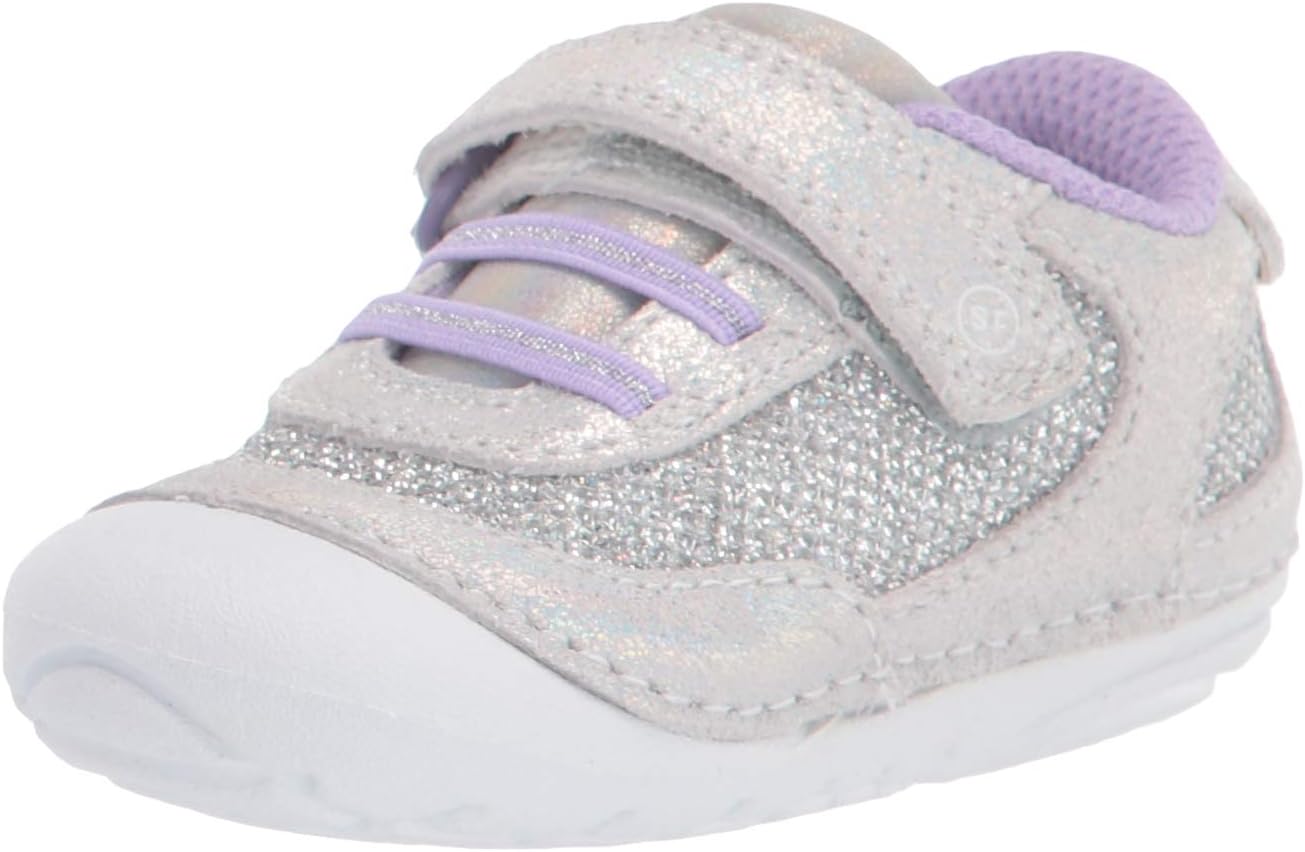

Caregiver questions
Do high-top toddler shoes provide ankle support?
Collar height alone cannot establish a clinical or functional benefit. Evaluate the complete shoe and seek qualified advice for an individual medical concern.
Why is a high-top hard to put on even after untying it?
The throat, tongue attachment or instep volume may remain restrictive. Confirm the opening is fully released and reassess model shape and size rather than forcing the foot.
Are low-tops always lighter?
No. Outsole, padding and overlays can outweigh the difference in collar material. Compare the exact pairs instead of using height as a proxy for weight.
Can a toddler wear high-tops with orthotics?
Compatibility depends on the device and exact shoe interior. Follow the prescribing clinician's guidance and the manufacturer's information rather than assuming a taller upper will work.