 Stride Rite
Shoe Care
How to Clean White Canvas Toddler Shoes Without Chasing Perfect White
Clean white canvas toddler shoes with a label-first, small-area process that protects fit, controls moisture and avoids unsupported stain-removal shortcuts.
Start here
The care label sets the ceiling for every cleaning method. Remove what the instructions allow, control moisture, and accept a wearable shoe before escalating to a risky whitening experiment.
Decide whether the shoe needs cleaning or retirement
Begin with a dry condition check. Look at the outsole attachment, toe, heel, seams, closure anchors, lining, and insole. Ordinary surface soil may justify cleaning; separation, sharp wear, damaged fasteners, a rough interior, or a shape that no longer fits calls for a different decision. Cleaning cannot restore structural integrity or make an outgrown pair usable. If contamination involves bodily fluids, chemicals, mold-like growth, or another unusual hazard, follow appropriate health guidance rather than a general canvas routine.
Then decide what success means. For an everyday white toddler shoe, success may be clean enough, fully dry, and still correctly shaped—not factory white. The pursuit of perfect brightness encourages repeated scrubbing, soaking, bleach, or unapproved products that can affect fabric, thread, adhesives, trim, and skin contact. Photograph the starting condition under neutral light so you can distinguish improvement from damage without cleaning the same spot over and over.
Translate the exact care label into boundaries
Find the care directions for the exact model and color. Note whether they permit machine washing, hand washing, surface cleaning, removal of insoles or laces, a particular water temperature, and a specific drying method. If the page says easy to clean, that is not the same as machine-washable. If directions are missing, ask the maker or use the least invasive material-appropriate approach rather than copying instructions from another white canvas shoe.
Make a short prohibited list beside the sink. It may include bleach, solvent, washing machine, dryer, hot water, soaking, or direct heat, depending on the product. White color does not grant permission to whiten aggressively, and canvas panels do not mean the entire shoe is canvas. Colored logos, metallic eyelets, synthetic toe caps, foam collars, rubber foxing, and adhesive bonds may each respond differently. The label governs the assembled pair.
Prepare a small, clean work zone
Work away from food preparation and keep cleaners out of a child's reach. Gather only the items allowed by the directions: commonly a dry soft brush or cloth for loose soil, a separate damp cloth for approved surface cleaning, and mild product only when specified. Use clean pale cloths so transferred dye does not create a new mark. Protect the surface beneath the shoes and provide ventilation when any approved care product requires it.
Remove laces and insoles only if the construction and instructions allow. Keep left and right components organized so they return to the correct shoe. Shake or brush away dry grit before adding moisture; rubbing sand into damp canvas can spread soil and abrade the surface. Check hidden areas such as the tongue fold and collar. This preparation often removes enough dirt to reveal that the remaining discoloration is cosmetic rather than a cleanliness problem.
Clean from low moisture to higher effort
Start with the least wet permitted step. Address loose soil first, then use a lightly damp approved cloth on a small inconspicuous area. Blot or make gentle passes rather than grinding one spot. Work in controlled sections so the upper does not become saturated accidentally. If an approved mild cleaning solution is needed, mix and apply it exactly as directed; more concentrate is not more effective care. Keep liquid from pooling around seams, eyelets, and sole bonds.
Reassess after each pass. Some marks are pigment changes, abrasion, or material transfer rather than removable dirt. Stop if color lifts, texture becomes fuzzy, adhesive appears, trim changes, or the area spreads. Do not combine household chemicals or follow viral whitening recipes. Mixtures can create fumes, residues, or material damage, and a toddler shoe places the cleaned surfaces close to skin. When in doubt, rinse or remove residue only as the maker instructs.
Treat rubber edges as a separate material zone
White canvas sneakers often include a rubber-like toe cap, sidewall, or outsole edge that collects gray marks. Do not carry a method from that zone onto the textile upper. A cleaner or abrasive tolerated by one component may discolor, roughen, or weaken another. Use only the shoe maker's approved method, with a dedicated cloth and precise control near the seam where materials meet. Avoid scraping with hard tools.
This separation also improves expectations. A sidewall may brighten while the canvas retains a faint stain, creating a visible mismatch. That does not justify escalating the textile treatment. View the whole shoe after it dries rather than judging a wet panel beside a newly cleaned edge. The goal is a sound, comfortable pair. If appearance requirements for a special event are stricter than safe care can achieve, use another known-fitting pair instead of risking this one.
Dry for shape and interior readiness
Remove excess surface moisture as directed and position the shoes in a ventilated area away from direct heat and intense sun unless explicitly permitted. A dryer, radiator, hair dryer, or hot car can affect materials and adhesives. If the maker allows gentle reshaping or approved absorbent material inside, use it without packing so tightly that the toe or upper distorts. Replace damp absorbent material as needed while maintaining airflow.
Do not call the shoes ready because the outside feels dry. Check the lining, tongue folds, insole area, and toe interior. Reassemble removable parts only when each is fully dry according to the instructions. Allow enough time in the rotation; cleaning the night before daycare can create pressure to use prohibited heat. A second well-fitting pair or a planned cleaning window is a care tool, not an indulgence.
Perform a post-clean fit and residue check
Once completely dry, feel the interior with a clean hand for stiffness, granules, curled lining, or remaining dampness. Inspect closures, seams, and the upper shape. Smell alone is not a safety test, but an unusual strong cleaner odor can signal that more label-directed airing or residue handling is needed. Do not return the shoes to a child while cleaning product remains transferable or the interior is damp.
Fit both shoes with the normal socks on a clean floor. Confirm that the closure still adjusts normally, the upper has not shrunk or warped, and the child walks as usual. Record the successful method in a few words so the next cleaning begins with known boundaries. If the shoes became misshapen, irritating, or difficult to fasten, stop using them and contact the manufacturer for product-specific advice rather than trying another aggressive restoration.
Reviewed model starting points
Compare current exact Amazon offers
These model families connect to a verified direct Amazon listing. Check the selected size, width and color because availability and features can vary.
As an Amazon Associate I earn from qualifying purchases.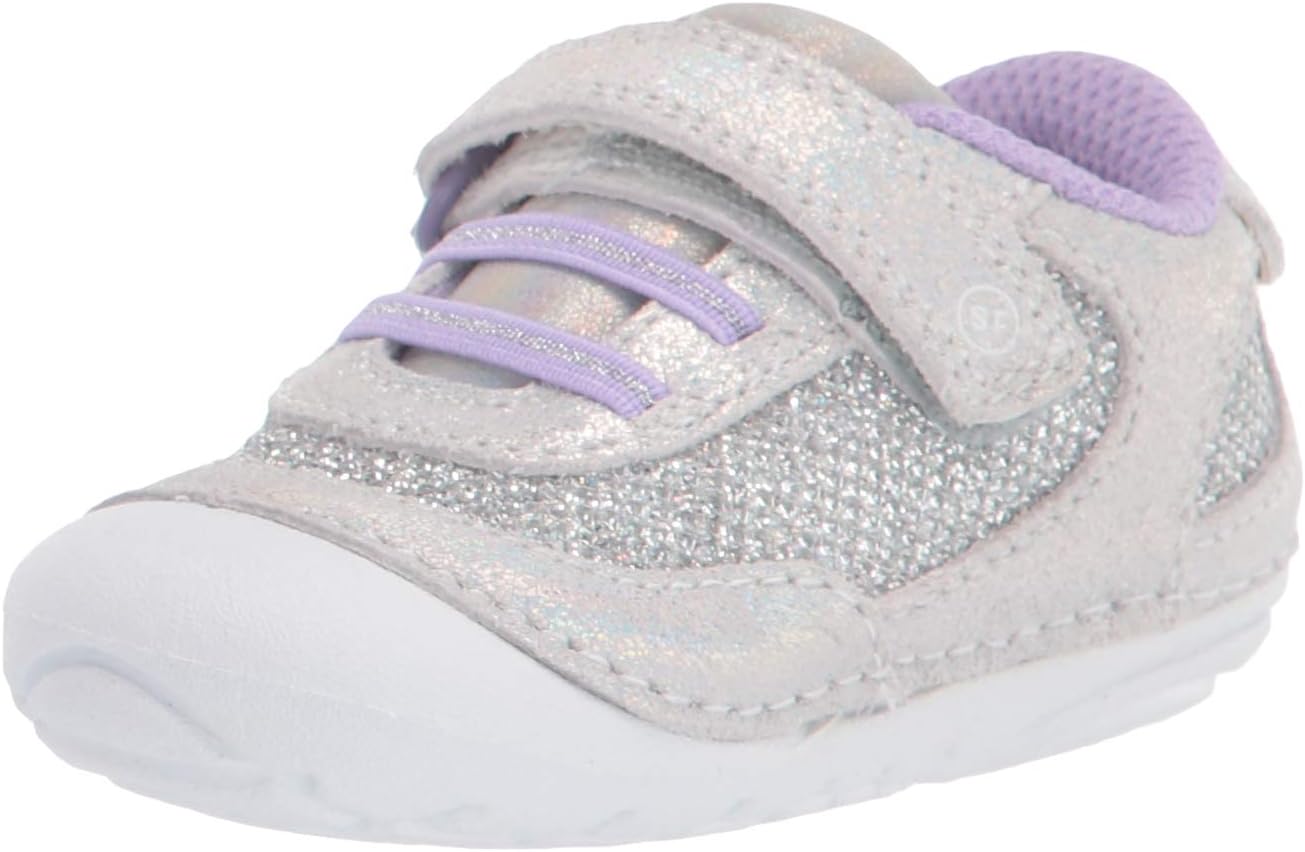

Caregiver questions
Can I use bleach on white canvas toddler shoes?
Only if the exact manufacturer's directions explicitly permit it and explain how. White fabric may coexist with colored trim, foam, rubber-like parts, metal, and adhesives. Unapproved bleach can discolor or damage components and leave unwanted residue.
Can white canvas toddler shoes go in the washing machine?
Machine wash only when the current care label for that exact model and color allows it. Follow its directions for cycle, temperature, removable parts, detergent and drying. A canvas appearance or easy-clean description is not permission.
How do I remove a stain that remains after gentle cleaning?
First decide whether the mark is actually removable soil rather than abrasion or color change. Repeat only an approved method within its instructions. Accept a faint cosmetic mark or contact the maker before escalating to stronger products or mixtures.
Why do cleaned canvas shoes feel stiff?
Possible reasons include residual product, saturation and drying effects, but a general guide cannot diagnose the exact cause. Keep the shoes off the child, check the care steps and interior, and ask the maker for model-specific advice if normal flexibility and fit do not return.