 Crocs
CrocsSide-by-side comparison
Toddler Rain Boots vs. Waterproof Sneakers
Match puddle depth, walking distance and temperature to the right wet-weather toddler footwear.
Start here
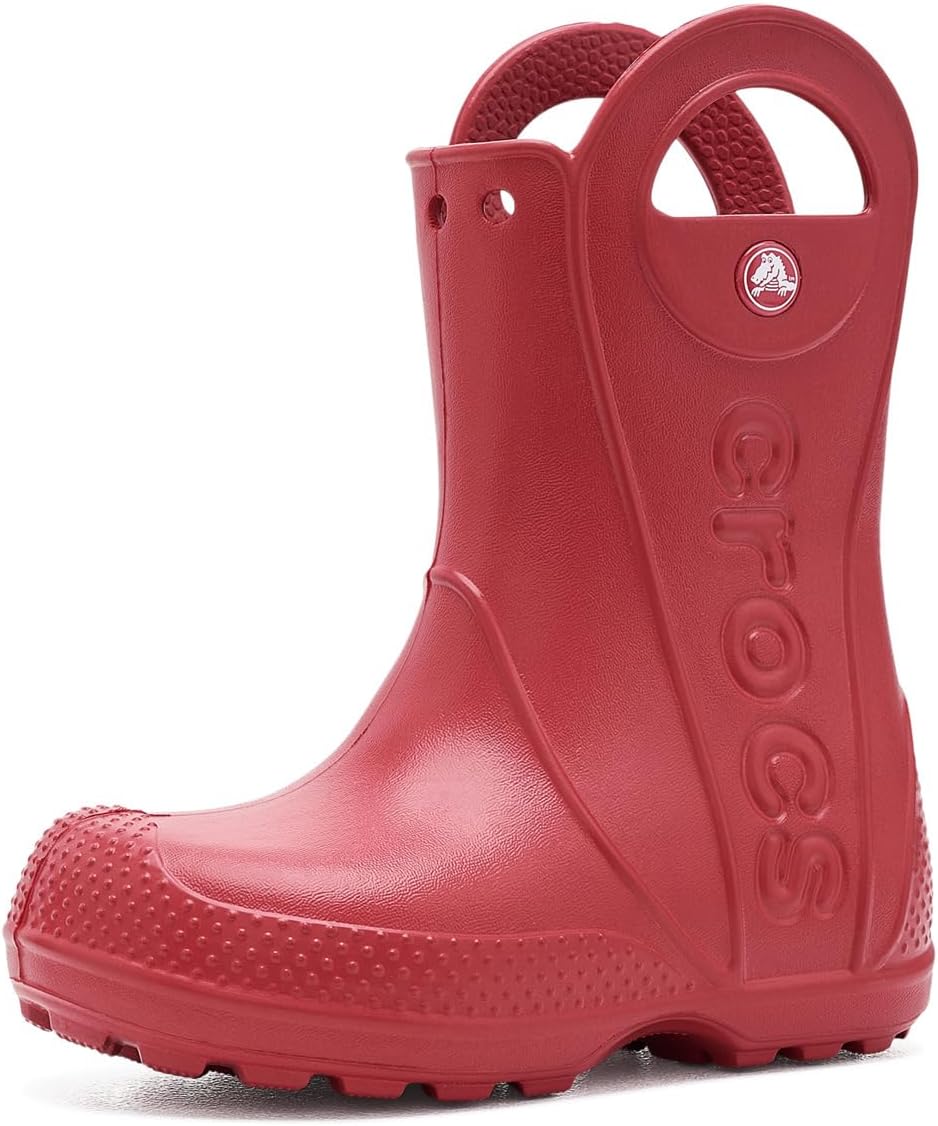
Rain boots and waterproof sneakers manage water from different directions. A tall boot prioritizes shaft coverage and simple wipe-down surfaces; a waterproof sneaker usually offers a lower profile for longer walking, with seams, tongues and closures that need closer inspection. Neither creates a sealed system once water enters from above. The useful comparison is an exposure budget: puddle depth, rainfall duration, walking distance, temperature, change opportunities and drying time. Match the exact construction to that budget, then make sure the child can move and the caregiver can put the pair on correctly.
Calculate the likely waterline
Estimate where water will contact the shoe during the real route. Light rain on pavement may never rise above a sneaker's outsole, while curbside puddles can reach a low tongue or boot opening. Compare shaft height and tongue attachment on the exact models; product category names do not reveal where gaps begin. Trouser placement also changes how runoff reaches the opening. The waterline exercise does not promise dryness, but it shows whether tall coverage solves a likely problem or merely adds material. If play intentionally exceeds the footwear height, a change plan is more dependable than assuming any boot is watertight from every angle.
Verify the waterproof claim layer by layer
Read whether the manufacturer says waterproof, water-resistant or water-repellent, and identify the component involved. A molded rain boot may use a one-piece lower with seams elsewhere. A sneaker may rely on a membrane, treated upper or gusseted tongue. Do not extend a claim from the upper to the opening, or from one model in a collection to another. Check care instructions because coatings and membranes can require specific cleaning. If the listing is vague, treat protection as unresolved rather than filling the gap with customer photos or a familiar brand name.
Compare walking economy
Tall boots can be roomy enough for entry yet heavy or loose during a long walk. Waterproof sneakers may flex and fasten more like everyday shoes but provide less shaft coverage. Measure route distance and how much of it the toddler will actually walk. During a clean trial, observe toe clearance, heel lift, turning and stair movement. A boot that clomps for two minutes may become frustrating over a school commute; a sneaker that feels agile may be insufficient for prolonged puddle play. The right tradeoff is the least movement burden that still addresses the expected exposure.
Fit around socks without guessing up
Decide which socks will be worn and use them during measurement and fitting. Do not automatically add a full size for thick socks; added length can increase heel movement and place the flex area incorrectly. Rain boots often have limited adjustment, so check instep entry and heel retention on both feet. Waterproof sneakers may use laces or straps that tune volume, but the underlying width must still fit. If seasonal socks change substantially, compare the maker's chart and interior guidance again rather than assuming the same selected size works across every layer.
Design the indoor transition
Wet-weather footwear often fails the routine after arrival, not outside. Tall boots may be easy to remove but leave damp socks if water entered. Waterproof sneakers can track less water yet take longer to open and inspect. Determine where the pair will be stored, whether daycare requires indoor shoes and who manages the change. Pack dry socks when exposure warrants them. A boot tray, labeled backup and ventilation space can matter more than marginal differences in upper material. The preferred footwear should enter and exit the day cleanly, without relying on a toddler to report hidden dampness.
Plan for the drying bottleneck
Molded exteriors may wipe clean quickly, but linings can remain wet. Waterproof sneakers may have padded collars and removable insoles that need separate air circulation. Follow the exact drying instructions and avoid heaters unless allowed. Consider whether the pair must be ready the next morning. A rotation can solve that bottleneck more reliably than choosing solely by waterproof language. Inspect for trapped debris, odor, damaged seams and altered shape before reuse. If a shoe remains wet inside, substitute a dry appropriate pair rather than sending it back into a full day.
Use an exposure-budget verdict
Select rain boots when shaft coverage and short messy use dominate, provided walking and fit remain acceptable. Select waterproof sneakers when lower-profile movement across longer damp routes matters more, provided the verified claim covers the likely exposure. Some families will need both; others can cover ordinary weather with one pair and a backup plan. Write the decision in terms of depth, duration and distance. This keeps a future storm, growth change or new commute from being forced into yesterday's answer. Recheck the exact model condition before each wet season. Include the indoor destination on that note, since a boot suited to ten minutes of puddles may be an awkward choice for hours without a footwear change. Update the exposure budget after moving homes or changing childcare locations.
Reviewed model starting points
Compare current exact Amazon offers
These model families connect to a verified direct Amazon listing. Check the selected size, width and color because availability and features can vary.
CrocsCaregiver questions
Do waterproof sneakers keep feet dry in deep puddles?
Not if water enters above the collar or through an unprotected opening. Review the product's construction and keep play within the likely waterline.
Should rain boots feel loose at the heel?
Some movement may occur because many boots lack adjustable closures, but repeated lifting, rotation or altered walking indicates the pair needs reassessment. Compare both feet indoors.
Can waterproof shoes lose their protection?
Materials, coatings, seams and wear can change over time. Clean and inspect them as directed, and do not assume an old pair performs exactly as it did when new.
What should daycare keep as a backup?
Follow the facility's rules and the child's routine. A labeled dry pair and spare socks can make transitions easier when wet-weather footwear is removed.