 Stride Rite
Walking Stages & Milestones
Toddler Shoes by Walking Stage: Ages One to Four
Use age as context, then choose toddler shoes by walking stage, surfaces, daily routine, dressing independence and current measurements.
Start here
Choose shoes for what the child does now, not for the birthday printed on a shopping filter. Around ages one through four, the useful questions are whether outdoor walking has begun, which surfaces fill the day, how long the child stays in shoes and who manages the closure. Measure for every purchase; age describes a routine imperfectly and cannot supply a size.
Choose a mobility profile before an age row
Sort the child into a current-use profile rather than a developmental timetable. Profile A is mostly carried, cruising or taking limited steps in protected places. Profile B walks independently on ordinary outdoor routes but still relies on an adult for footwear. Profile C spends longer periods moving between classroom, playground and home. Profile D participates in preschool routines and may be expected to manage some dressing tasks. The same age can appear in more than one profile, and a child can move between profiles by setting.
For the planned pair, write the walking distance, roughest surface, weather exposure, indoor time and closure helper. This note prevents an age query such as “shoes for a two-year-old” from silently becoming a size guess or a product claim. It also preserves the jobs owned by more detailed guides: first outdoor shoes, daycare footwear and size-by-age questions still need their own procedures. Here, the goal is simply to decide which job deserves priority at the child's present stage.
Around one: separate first steps from first outdoor routes
A child near one may need no outdoor walking shoe for one occasion and a secure protective pair for another. Start with the surface. Clean indoor practice, being carried to a gathering and walking across a public path create different requirements. If independent outdoor steps are part of the outing, look for a candidate intended for that use, with an opening that admits the foot without force, a closure an adult can repeat and coverage appropriate to the route. Do not treat “first walker” as a milestone certificate.
Keep the test modest. With intended socks, seat both heels and observe standing, a few ordinary steps and a turn on a clean indoor floor. Confirm usable toe and forefoot room along with heel control. A very substantial-looking shoe is not automatically more protective, and a soft-looking shoe is not automatically suitable for outdoor ground. The exact model's stated use and fit settle the question. Reassess when the child starts walking farther or the route changes, not when a calendar declares graduation.
Around two: plan for repetition, mess and adult help
At about two, many footwear decisions are shaped by repeated transitions: leaving home, entering childcare, going outdoors again and returning with sand or mud. The useful pair stays secure through starts and turns, opens widely enough for reliable dressing and can be maintained on the family's actual schedule. Ask the center about closed-toe rules, water days and indoor changes before shopping. A daycare label on a product page cannot substitute for that local information.
Use the most demanding recurring segment as the filter. A short wet commute may justify travel boots plus an indoor pair; it does not mean the child should remain in rain footwear all day. If the child regularly removes a loose shoe, diagnose length, volume and closure instead of assuming defiance. Record how staff fasten the pair and whether one foot behaves differently. The two-year-old section is about an active-day system, not a declaration that every child of this age needs sneakers, two pairs or a particular closure.
Around three: add the preschool handoff
A preschool schedule may combine a classroom floor, outdoor equipment, stairs, meals and quiet time. Translate those transitions into one brief: required coverage, expected fastening, cleaning tolerance and whether indoor footwear changes are supported. Then ask what the child can do consistently. A closure that a child can open but not secure may create more work than one intentionally managed by staff. Independence is valuable only when the final fit remains dependable.
Run a morning rehearsal with the real socks and clothing. Let the child attempt the routine, then have the adult complete any step still needed. Observe whether the heel is fully seated, the tongue stays smooth and the closure reaches its designed landing area. A successful self-dressing moment does not rescue excess length or toe pressure. Likewise, adult assistance is not a failure if it produces the appropriate fit for an active preschool day. Choose a system the classroom can repeat without improvising.
Around four: watch the label handoff without following it
Near four, retailers may move a child from a toddler department into little-kid or preschool labels. That merchandising handoff does not change the measuring process. Children's numerical sequences may continue or restart according to the regional system, while brands use different lasts and chart definitions. Read the complete selector, confirm whether a C means child in that listing and match the current foot measurement to the exact chart. The aisle name is only navigation.
The day may also become more varied: longer preschool attendance, organized activities, uniform expectations or family outings. Resist solving all of those routes with a performance-styled pair unless its documented construction and actual fit cover them. A familiar everyday shoe may remain the baseline, with weather or venue footwear reserved for narrower jobs. At this boundary, the important upgrade is a clearer decision record—model, size, socks, date and route—not a heavier shoe or a bigger number chosen because the child seems older.
Run the same stage check at every birthday
On a birthday or routine change, ask five questions in order. Where is the child walking? For how long? What conditions can the current pair not handle? Who puts it on? Does it fit today? Those answers may lead to a first-walker collection, a secure everyday sneaker, an easy-on option, a daycare system or weather footwear. They may also show that the current category remains appropriate and only the size needs attention.
Measure both feet and keep the raw values. Follow the candidate chart without adding an undocumented allowance, then fit both shoes with the intended socks. Check the longest toe, broad forefoot, instep, heel and closure while the child moves normally indoors. If the next size provides length but introduces sliding, compare another shape. Stage determines the job; measurement creates a candidate; the worn pair decides. None of those steps can be replaced by an age-based best-shoe list.
Keep a one-line stage record
After a successful purchase, write one sentence: “Independent outdoor walker; daycare and pavement; adult-fastened; this model and size fit with these socks on this date.” That sentence is more transferable than “shoe for a three-year-old.” Another caregiver can understand why the pair was chosen, and the next shopper can see which variable changed. Add concrete failure notes when a candidate does not work, such as heel rose during turns or opening pressed the instep.
Review the line when walking distance, school policy, season, dressing ability or fit changes. Do not keep an intermittently worn specialist because it belongs to the right age band; seasonal shoes can become too small in storage. Persistent pain, swelling, skin injury, limping or a walking change that also appears without the shoes falls outside a stage-shopping guide and warrants appropriate professional advice. For ordinary decisions, stay anchored to the current route and observable fit.
Reviewed model starting points
Compare current exact Amazon offers
These model families connect to a verified direct Amazon listing. Check the selected size, width and color because availability and features can vary.
As an Amazon Associate I earn from qualifying purchases.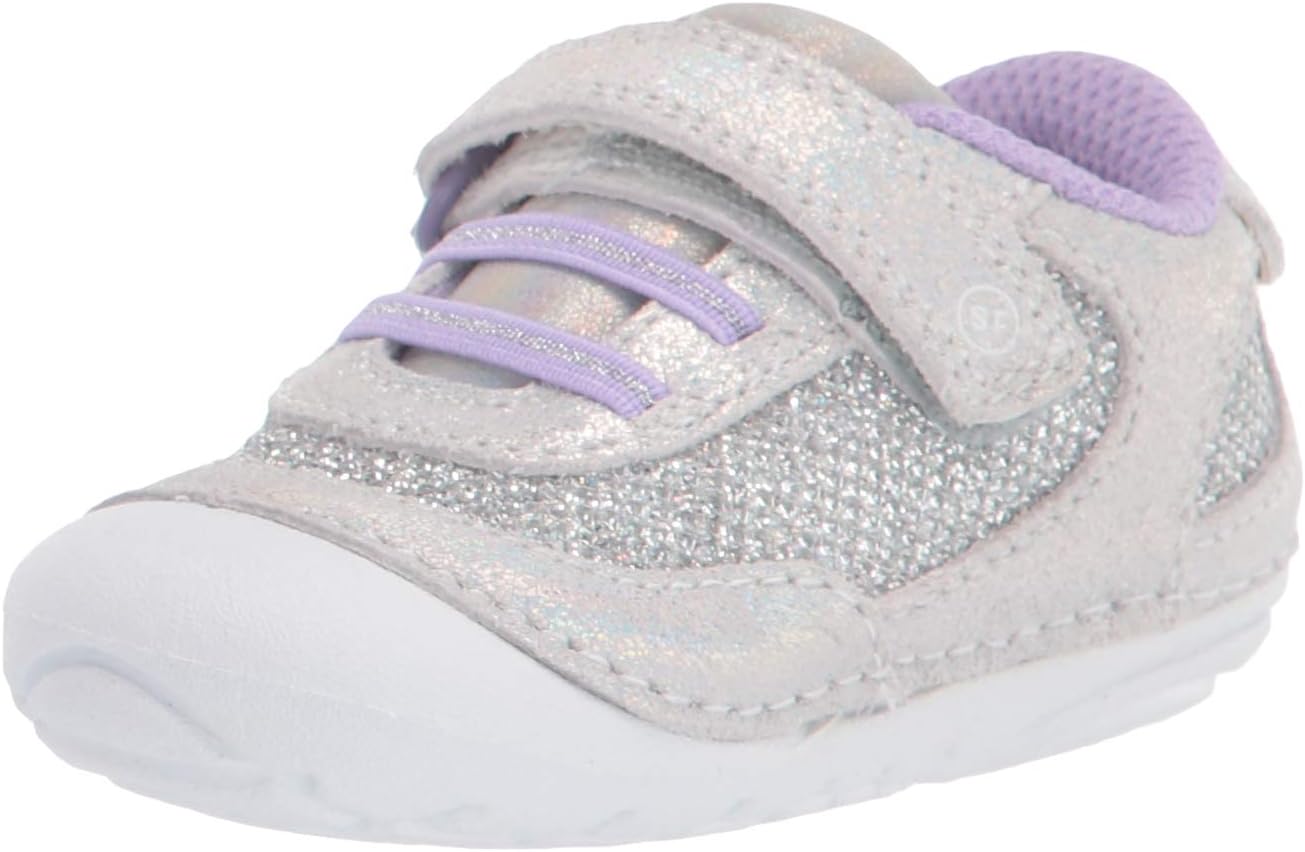

Caregiver questions
What shoes should a one-year-old wear?
Choose by present movement and surface. A child who is carried or walking only in a protected indoor area has a different need from an independent outdoor walker. When outdoor protection is needed, verify the model's intended use, current measurements and on-foot security.
Are sneakers always the best shoes for a two-year-old?
No category is automatically best. A secure everyday sneaker can cover many dry routines, but weather, water, venue rules and the child's foot shape may point elsewhere. Evaluate the whole day rather than age alone.
Should a three-year-old be able to put on shoes alone?
Children and closures vary, so independence should not be treated as a deadline. Choose a routine the child and caregivers can complete consistently, then confirm the pair is actually seated and fastened correctly.
Do four-year-olds wear toddler or little-kid sizes?
Retail departments overlap and are not measurements. Use the complete children's size sequence and the exact maker's chart; record the regional label so a bare number is not mistaken for another range.