 Crocs
CrocsBuying guide
10 Toddler Shoe Picks by Travel Situation
Plan a small toddler footwear kit for flights, road trips, city walks, beaches and changing weather.
Start here
Travel turns footwear into a packing problem with moving constraints. The airport pair must work in a plane seat, the city pair may face long pavement days, and the beach option has to recover before tomorrow. Ten “picks” are therefore better understood as ten situations, several of which one well-chosen shoe may cover. Start with the itinerary, mark the conditions that truly occur, and assign a footwear role only when the everyday pair cannot perform it safely or dry in time.
Map transit moments before walking mileage
Situation one is the airport or rail terminal: frequent sitting, quick bathroom trips, security procedures that vary by location, and a bag already full of essentials. Favor a closure an accompanying adult can manage in cramped space, but do not sacrifice secure fit for speed. Situation two is the road trip, where shoes may come off in the car and need to go back on at stops. A wide opening and clear left-right cue can reduce friction. Neither context justifies loose slip-ons that fall off when carried or walking. Fit the transit pair with the planned socks, and keep it accessible rather than buried in checked luggage. Verify current carrier and security guidance instead of assuming shoes must always be removed.
Match the main pair to the hardest ordinary day
Situation three is a high-mileage city or attraction day. Choose from shoes already proven during comparable home outings, not an untried pair opened the night before departure. Check tread for the expected surfaces, closure security, and whether the upper tolerates the likely weather. Situation four is a family visit or casual indoor day, which may allow the same sneaker if it is clean and comfortable. Avoid packing a separate category for every outfit when one neutral, functional pair meets the setting. Before departure, inspect wear, remeasure both feet, and conduct an indoor fit review. A shoe that is nearly outgrown at home becomes a bigger problem when replacement choices are limited.
Give water two different jobs
Situation five is poolside or splash-pad use; situation six is beach and shoreline walking. These are not automatically the same. Pool rules may require a particular sole, while sand, shells, and hot approaches change the coverage decision. Confirm that a water shoe is intended for the activity, stays attached when wet, and has an outsole suitable for the route. Drainage does not mean instant drying, and open sandals can collect debris. Plan where damp footwear will be rinsed and how it will air out. If the itinerary includes only one short water stop, an on-site barefoot rule or rented facility option may eliminate a packed pair, but follow local safety requirements rather than improvising.
Handle weather with a route-specific backup
Situation seven is sustained rain; situation eight is cold or snow. A waterproof claim should be checked on the exact model, including how high protection extends and how the closure is built. Rain boots can be useful for puddles but may not be the best all-day walking shoe. Insulated winter footwear needs space for the intended sock without becoming oversized. If severe weather occupies only one part of the trip, compare carrying a dedicated pair with adjusting the schedule or using the everyday shoe plus a dry backup. Never count on hotel heat, a hair dryer, or direct sunlight to recover materials; follow care instructions. Weather footwear earns luggage space when it covers a real repeated route.
Reserve dress footwear for an actual requirement
Situation nine is a wedding, formal meal, or family event. Identify the portion of the day that truly calls for dress styling and whether a clean everyday shoe is acceptable. If a separate dress pair is packed, fit it for normal walking and include a practical change option for extended play. New shoes should be trialed indoors before travel, with the same socks or tights planned for the event. Decorative details, stiff edges, and smooth outsoles deserve close inspection. A short photo session does not erase fit needs, while a versatile Mary Jane, loafer, or understated sneaker may cover both ceremony and routine depending on the dress code.
Let the tenth role be redundancy, not novelty
The final situation is a wet, lost, damaged, or unexpectedly dirty primary pair. A backup does not need to be a new category; it needs to fit now and cover the most common remaining activity. For many trips, two pairs are enough: one worn, one packed. Add water, weather, or dress footwear only when the itinerary establishes that role. Put each candidate through a packing test: weight, drying time, sock needs, closure pieces, and space. Photograph size labels and care instructions, and note a nearby replacement source for longer travel. The smallest successful kit is the one with no uncovered essential route, not the one with the fewest shoes at any cost.
Rehearse the packed system at home
A week before departure, spend one ordinary day using only the footwear, socks, and backup arrangement planned for travel. Notice whether the spare fits in the day bag, whether wet shoes have a ventilated place later, and whether adults can switch pairs without hunting for components. This rehearsal does not simulate every destination hazard, but it exposes preventable packing failures. Measure again if the child is near a size boundary and keep replacement decisions out of the final departure rush.
Reviewed model starting points
Compare current exact Amazon offers
These model families connect to a verified direct Amazon listing. Check the selected size, width and color because availability and features can vary.
As an Amazon Associate I earn from qualifying purchases.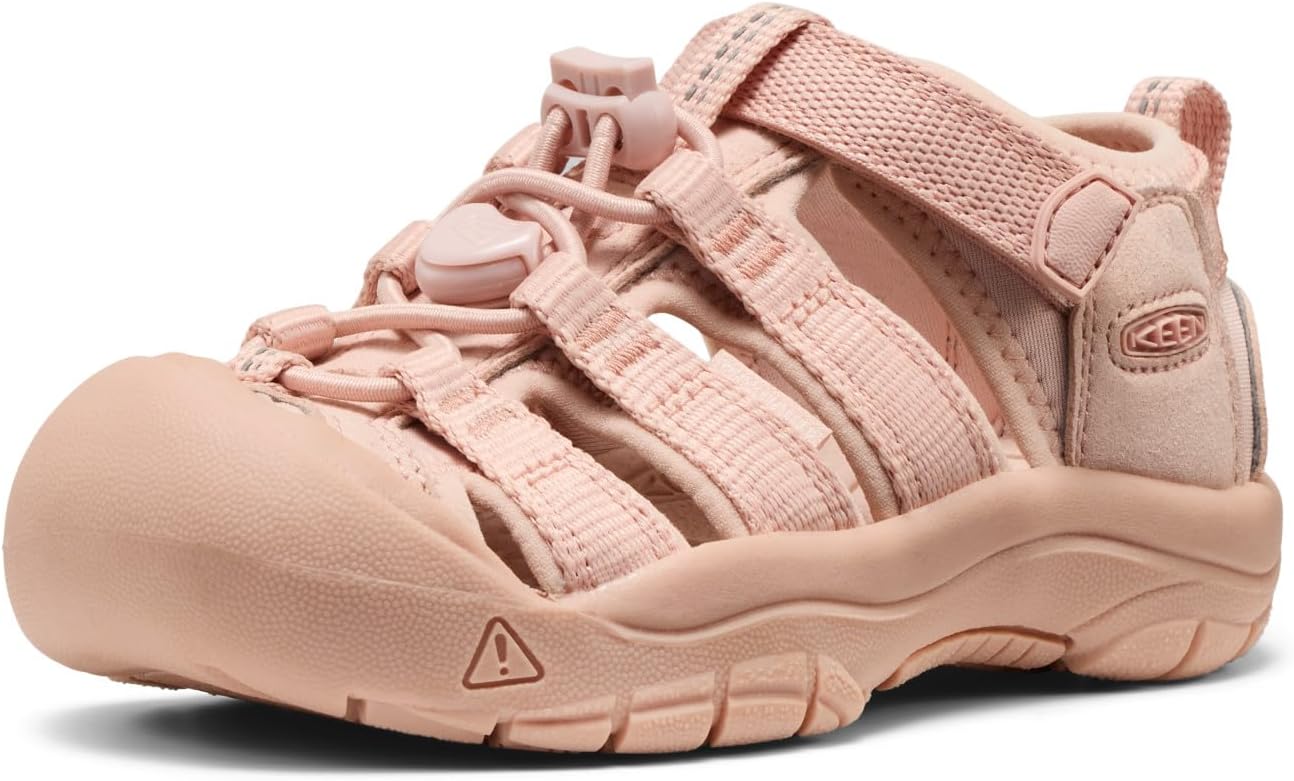

Caregiver questions
Should a toddler wear new shoes on the travel day?
A previously fitted pair with successful comparable outings is easier to evaluate. Trial any new candidate indoors and during a normal local route before relying on it away from home.
How many pairs belong in a one-week trip?
There is no fixed count. Assign roles from the itinerary, then combine compatible roles. Many plans need a primary pair and backup; water, snow, or formal requirements may add one.
Are slip-ons always best for airport travel?
No. Ease matters, but the shoe must stay secure during walking and carrying. Rules differ by airport, so fit and routine are more dependable criteria than a security assumption.
What should stay in the day bag?
Keep the current backup needed for that day, suitable socks, and any model-specific fastening piece. Damp footwear should be contained without being sealed indefinitely before drying.