 Stride Rite
Buying guide
13 Toddler Sneaker Features Worth Comparing
Turn crowded product pages into a focused comparison using fit, closure, materials and care.
Start here
Sneaker listings can contain dozens of claims without answering the family’s real question: will this exact model fit the current foot and survive the intended week? Thirteen features become manageable when sorted into four evidence buckets—entry, hold, movement, and recovery. Compare no more than three finalists on the same worksheet. A candidate that cannot document a must-have should leave the shortlist before color, trend, or brand familiarity receives attention.
Bucket one: entry and internal space
Feature one is opening size: can the tongue, flap, or collar move far enough for the foot to enter without curling toes? Feature two is toe-box outline viewed from above, not merely described as roomy. Feature three is vertical volume over the forefoot and instep. Feature four is the interior, including seams, labels, removable inserts, and lining texture. These dimensions interact but should not be conflated. A broad outsole can have a tight upper, while a generous opening may lead to an average-width interior. Use model photographs, brand measurements, and the selected size’s description. During fitting, open the shoe fully, seat the heel, and avoid forcing the foot past a resistant collar.
Bucket two: closure and rearfoot control
Feature five is closure type—hook-and-loop, laces, elastic, zip, slip-on, or a combination. The name matters less than its usable adjustment range. Feature six is heel structure and how the collar holds during movement. Feature seven is adult and child manageability in the actual routine. A double strap may offer control but take longer; a slip-on may be fast yet depend on precise volume. Fasten with normal tension and check whether the system reaches its limit, folds the upper, or loosens after several minutes. Watch repeated heel lift and toe gripping. Daycare staff may have closure rules or preferences, so a theoretically excellent design can still be the wrong operational choice.
Bucket three: sole behavior and stated surfaces
Feature eight is forefoot flexibility during ordinary steps. Feature nine is outsole tread and the surfaces named by the manufacturer. Feature ten is weight relative to the child and activity. Feature eleven is the relationship between foot position and the sole’s bend point. A sneaker does not become an athletic shoe merely through mesh panels or speed-themed graphics. Look for product-specific intended use and assess walking, turning, squatting, and rising indoors. Do not promise slip prevention from a tread photograph. For rough trails, water, snow, or sport programs, a general everyday sneaker may not be the purpose-built option. Keep each pair inside the role its construction documents.
Bucket four: upper durability and care recovery
Feature twelve is upper construction: mesh can improve airflow but may snag; leather and synthetics vary in stiffness, water response, and cleaning; decorative overlays introduce edges and attachment points. Feature thirteen is the complete care cycle. Machine washable, wipe clean, and water-friendly are distinct instructions. Record whether insoles may be removed, which wash settings are permitted, and how long air drying takes at home. A daycare sneaker that remains wet the next morning creates a rotation problem regardless of appearance. Inspect high-wear areas and avoid importing care advice from another colorway if materials differ. A backup can protect the routine without requiring both pairs to be identical.
Run a three-sneaker comparison without scoring theater
Create columns for the three finalists and rows for only the features that affect the planned route. Mark evidence as documented, observed indoors, or unknown. Unknown is not automatically a failure unless it concerns a non-negotiable such as size availability, daycare compliance, or intended surface. Measure both feet and connect every candidate to its current chart. Use the planned socks and similar trial time. Notes such as “heel lifted twice on left” are more useful than a numerical comfort score invented by an adult. Remove pairs that need overtightening, create marks, or change ordinary movement. The shortlist may end with two different shapes rather than one ranked winner.
Decide by route, then preserve the evidence
Assign the chosen sneaker a clear job: daycare, neighborhood walking, playground, dress-casual use, or another defined route. Save the chart link, size, width, date, and sock setup with a brief fit note. That record helps with reordering but does not guarantee the next size or a future redesign will fit identically. Recheck when wear, growth, or behavior changes. If recurring pain, swelling, skin damage, or walking concerns appear, stop the retail comparison and seek appropriate professional guidance. The thirteen features are a way to organize observable purchasing evidence, not a medical screen or promise that one sneaker construction is best for every toddler.
Read marketplace identity before checkout
A final product-page check should confirm brand, full model name, size system, width, color, seller, and return conditions. Similar sneaker names often hide a sequel, adaptive version, light-up variant, or different age range. Do not transfer materials or care claims from a related listing. If photos, title, and specifications disagree, pause the order and seek clarification. Preserving the exact identity protects every comparison made in the four buckets and prevents a carefully selected feature set from turning into a near-match at checkout. Save the confirmation beside the fit note so a later reorder starts with traceable evidence rather than a visually similar search result.
Reviewed model starting points
Compare current exact Amazon offers
These model families connect to a verified direct Amazon listing. Check the selected size, width and color because availability and features can vary.
As an Amazon Associate I earn from qualifying purchases.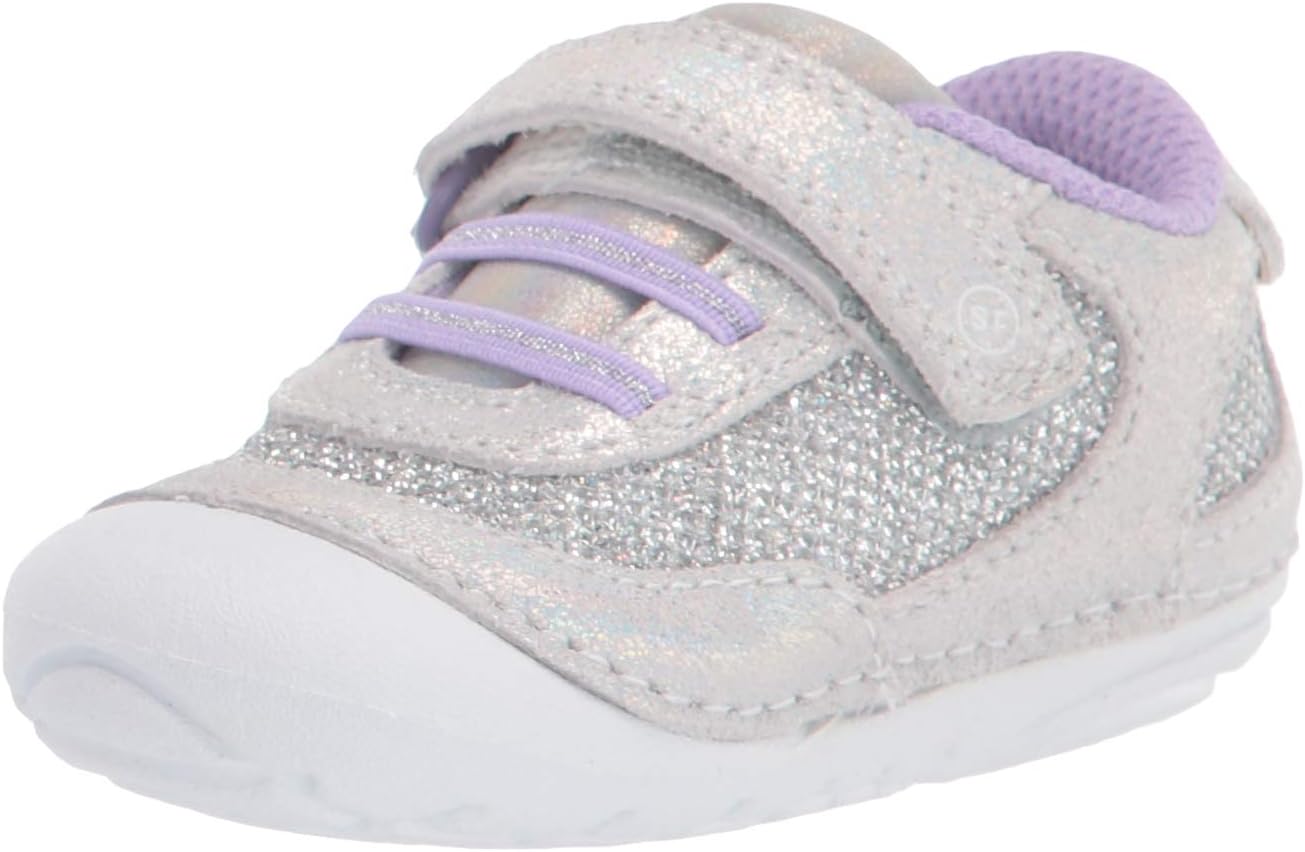

Caregiver questions
Is mesh always the best upper for toddler sneakers?
No. Airflow, snag resistance, weather, structure, and care all matter. Compare the exact mesh construction with the weekly route.
Are elastic laces adjustable?
Some are fixed decoration, some stretch, and some connect to a toggle. Read the model description and verify what actually controls fit.
How much should a toddler sneaker bend by hand?
There is no universal fold test. Look for model guidance and observe where it flexes during normal indoor steps without aggressively twisting the shoe.
Can one sneaker cover playgrounds and easy trails?
Possibly, when its outsole, upper, and stated use fit both routes. Do not infer trail suitability from athletic styling alone.