 KEEN
KEENBuying guide
11 Toddler Summer Shoe Features for Heat and Water
Compare airflow, toe coverage, drying time and hot-surface practicality for warm months.
Start here
Summer shoe shopping often collapses heat, water, and vacation into one cheerful category. In practice, a daycare playground, a shaded stroller walk, and a rocky shoreline ask different things of a shoe. Eleven features matter, but their priority changes by route. This guide uses a three-zone plan—dry heat, active water, and recovery afterward—so families can decide whether one model can cover the week or whether two specialized pairs are less troublesome than one compromise.
Build the dry-heat profile
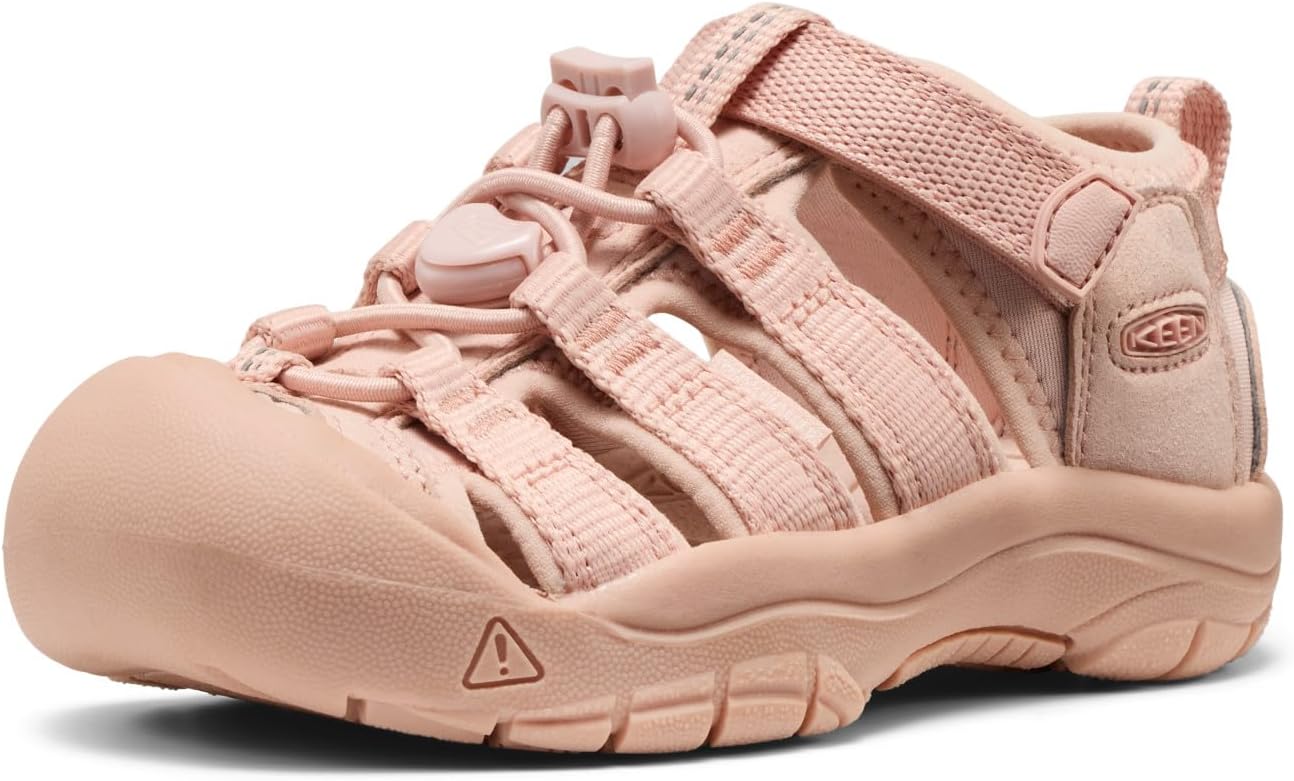
Feature one is airflow through the upper, which depends on material and construction rather than the number of visible holes alone. Feature two is coverage over the toes and sides. More exposure may feel cooler, while closed areas can help on playgrounds or routes with debris; use rules and surfaces to choose. Third is the interior texture, including seams and overlays that may feel different as feet become warm or damp. Fourth is the closure’s adjustment range, because swollen-feeling end-of-day feet and thin summer socks can change how a shoe sits. Read exact materials, inspect inside when possible, and fit late enough in the day to reflect normal activity. “Breathable” is a starting claim, not proof that a model suits every hot setting.
Account for the ground between destinations
Feature five is the outsole’s stated purpose and tread. A sandal appropriate for indoor errands may not be intended for loose trails or wet pool decks. Feature six is sole thickness and protection from the route, including hot pavement and scattered debris. No shoe makes overheated surfaces safe indefinitely, so test conditions with adult judgment, seek shade, and shorten exposure. Feature seven is how securely the heel and forefoot remain attached during starts, turns, and climbing. Backless footwear may be permitted in one setting and prohibited in another. Check daycare, camp, and attraction policies before purchase. A summer shoe should be evaluated across the entire path from parking area to activity, not only where the child is expected to splash or play.
Distinguish water-friendly from swim-specific
Feature eight is the manufacturer’s intended water use. A washable sneaker, water-resistant sandal, and submersible water shoe are not interchangeable descriptions. Confirm whether the materials can be immersed, whether fasteners tolerate sand or chlorine, and whether the outsole is designed for the relevant environment. Drainage openings can release water but may admit small stones. Open designs rinse easily yet expose more skin. For splash pads and pools, follow facility rules; for natural water, consider entry surfaces, current, shells, and the walk back. Avoid assuming a grippy-looking pattern prevents slipping. No outsole eliminates risk on wet surfaces, and product language should be read as a use specification rather than a safety guarantee.
Make wet retention a separate fitting test
Feature nine is retention after materials get wet. Some uppers relax, footbeds become slick, and hook-and-loop closures collect debris. If the product is expressly designed for water, follow the brand’s method for a supervised test and keep return conditions in mind. The heel should remain seated enough for the activity, and the child should not compensate by curling toes. Check for rubbing at strap edges after a brief session, then stop if irritation appears. A shoe that fits well dry may behave differently when saturated, while sizing up for water can worsen movement. Use the planned bare foot or swim sock consistently. Persistent skin problems or pain warrant appropriate professional advice, not repeated wet trials.
Score recovery before appearance
Feature ten is realistic drying time in the family’s environment. “Quick dry” has little value if the pair remains damp by the next daycare morning. Check whether insoles can be removed, how closures should be opened, and whether direct heat is prohibited. Feature eleven is cleanability: sand escape, mud removal, odor-prone liners, and light-colored materials may require different effort. Follow the care label instead of assuming every synthetic shoe is machine washable. After water use, rinse only as directed, open the pair for airflow, and inspect hidden areas before reuse. A second basic shoe can be more practical than accelerating drying with unapproved heat that may alter adhesives or shape.
Choose one-pair or two-pair summer coverage
List the week’s repeated dry routes in one column and actual water activities in another. If a closed, breathable sneaker covers daycare and errands while water play happens rarely, a simple dedicated water option may remain stored until needed. If the child moves constantly between splash and dry play, compare hybrid models for retention, recovery, and policy compliance. Fit finalists with both feet measured and intended socks, then run a clean indoor movement check. Remove any candidate that depends on excessive length, pinches at straps, or lacks stated use information. The winning arrangement is not necessarily the lightest or most ventilated; it is the smallest set that remains secure, permitted, and recoverable across the real summer schedule.
Recheck midsummer fit after routine changes
Longer outdoor days, different socks, travel, and rapid growth can make a June decision unreliable in August. Repeat the measurement and indoor movement check when straps reach a new limit, toes approach the front, or the child begins removing the pair. Inspect sandals for compressed footbeds and debris at closures; examine water shoes after repeated wet-dry cycles. A fresh check can confirm the pair remains usable or show that the seasonal setup needs resizing before the next heat wave.
Reviewed model starting points
Compare current exact Amazon offers
These model families connect to a verified direct Amazon listing. Check the selected size, width and color because availability and features can vary.
As an Amazon Associate I earn from qualifying purchases.
Caregiver questions
Do toddlers need closed toes in summer?
That depends on the route and rules. Daycare, playground, camp, and natural-water settings may favor or require coverage, while other low-risk situations permit open sandals.
Can a machine-washable sneaker serve as a water shoe?
Washability describes care, not necessarily immersion or wet traction. Use it for water only when the exact model is intended for that activity.
Should summer shoes fit without socks?
Fit them in the configuration actually planned. Bare feet, thin socks, and swim socks change volume and friction, so each intended use needs its own check.
How can I dry toddler shoes faster?
Use the manufacturer’s directions, open closures, remove approved removable parts, and allow airflow. Avoid dryers, radiators, or direct heat unless the care label explicitly permits them.