 Crocs
CrocsSide-by-side comparison
Water Shoes vs. Sandals for Toddlers
Decide between enclosed water shoes and open sandals for splash pads, beaches and hot-weather errands.
Start here
The amount and type of water should lead this decision. A splash pad combines wet concrete and repeated spray; a sandy shoreline adds grit and shells; a dry summer errand may involve no immersion at all. Enclosed water shoes can add coverage and containment, while sandals offer airflow and easier debris removal. Each can also create problems when the fit or setting is wrong. Define the wet route, read whether the exact model is intended for water exposure, and decide how the shoe will drain, stay on and dry. A summer label alone is too broad to make that choice.
Divide the outing into wet zones
Mark where feet will be fully wet, intermittently sprayed, damp from grass or entirely dry. Add the walking surfaces before and after water play. A shoe that performs in a pool deck zone may be uncomfortable during a long dry approach, while an open sandal suited to errands may admit too much gravel at a lakeshore. Note whether footwear must remain on in the water and whether the venue has rules about open toes or bare feet. This zone map prevents the most photogenic part of the outing from dominating a purchase that must work across several transitions.
Choose the needed coverage
Water shoes range from sock-like uppers to structured closed-toe sandals; sandals range from minimal two-strap designs to protective toe cages. Compare the exact opening, toe area, heel coverage and side gaps. More enclosure may reduce direct contact with some debris, but it can also hold sand and make interior inspection harder. Open designs release water and grit readily yet leave more skin exposed. Do not claim that either prevents injury. Match observable coverage to the venue, then preserve enough access to check for trapped material, rubbing and folded liners during the day.
Trace the drainage path
Look for stated drainage ports, open side channels, perforations and absorbent components. Water can leave through holes while remaining in foam, fabric, padding or under a removable insole. A sandal may drain immediately but retain water in a lined strap. Read material and care information rather than judging only the outsole. After use, open closures, remove liners when directed and allow the pair to air dry in the approved manner. If a listing does not say a shoe is made for immersion, do not infer that a mesh upper makes it a water shoe.
Evaluate traction on the exit surface
The critical grip moment may occur after leaving the water, when the outsole and walking surface are both wet. Inspect tread coverage under the forefoot and heel, and check whether the manufacturer identifies the intended use. Avoid translating a textured pattern into a slip-proof promise. Algae, sunscreen, smooth tile and worn tread can all change conditions. Keep movement expectations realistic and follow venue rules. When comparing candidates, consider the dry pavement or boardwalk too; an outsole optimized for flexibility in water may wear or feel different on a long abrasive approach.
Test swelling, straps and heel retention
Wet materials and wet skin can interact differently than they do in a store, but a return-safe assessment still begins dry. Fit both feet with the socks intended—often none, if the maker permits barefoot wear—and check seams, strap edges and heel hold. Confirm that the fastening has adjustment remaining without dangling. Water shoes with stretchy collars should not require sizing down to stay on. Sandals should not be tightened until webbing presses deeply. During use, pause after the first wet period to remove debris and inspect for persistent redness or rubbing.
Plan the change out of wet footwear
Decide whether the pair will stay on for lunch, the car ride or the walk home. Remaining in damp shoes can be uncomfortable, and loose wet footwear can soil other gear. Pack a dry pair, towel and bag when the route supports a change. A highly enclosed water shoe may make sense for the active zone even if it is not the all-day choice. A sandal may cover both wet and dry portions when its materials, traction and fit support that use. The change plan frees one shoe from having to solve every part of the outing.
Select by the mess you can manage
Before checkout, imagine the shoe filled with sand, coated in sunscreen residue or left damp overnight. Read whether it can be rinsed, hand washed or only spot cleaned, and how long the design is likely to need for air circulation. Inspect hidden cavities and removable pieces. The best category is the one whose approved cleanup matches the household and whose exact pair passes fit. Record the setting it was bought for. When the next trip involves a different surface or longer dry walking, reconsider rather than assuming a successful splash-pad shoe is automatically a beach sandal. Store the dry pair open enough for ventilation and inspect its interior again before the next wet outing begins. Retire it from water use if drainage openings clog or the sole separates.
Reviewed model starting points
Compare current exact Amazon offers
These model families connect to a verified direct Amazon listing. Check the selected size, width and color because availability and features can vary.
As an Amazon Associate I earn from qualifying purchases.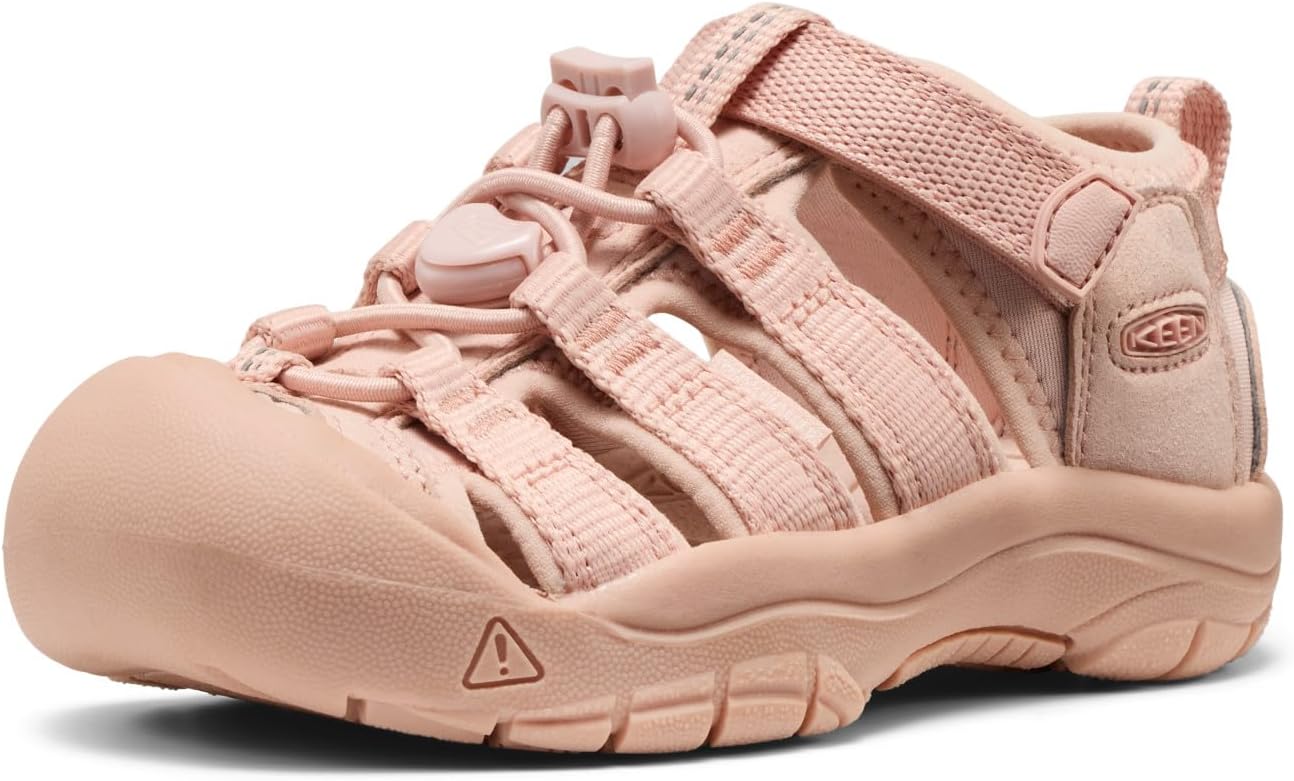

Caregiver questions
Should toddlers wear socks with water shoes?
Follow the model's instructions and venue needs. If water socks are considered, include their thickness during fitting rather than adding them after the size is chosen.
Are closed-toe sandals the same as water shoes?
Not always. Some are intended for water, while others use materials or care directions meant for dry wear. Verify immersion or water-use language for the exact style.
How do I remove sand during an outing?
Stop in a safe place, remove the shoe, rinse or shake it only as the setting permits, and inspect the foot and interior before refastening. Do not let trapped grit remain against skin.
Can wet footwear go straight into a hot dryer?
Usually heat should not be assumed safe. Follow the manufacturer's drying instructions because high temperatures can distort foam, shrink textiles or weaken adhesives.