 Crocs
CrocsToddler shoe guide
Toddler Swim Shoes and Water Shoes: A Construction Glossary
Translate swim shoe, water shoe, aqua sock and related retail labels into the construction details a toddler actually needs for a wet-use routine.
Start here
For toddler shopping, “swim shoe” and “water shoe” often function as broad retail labels rather than dependable construction standards. “Aqua sock,” “water sandal,” “river shoe” and “pool shoe” can narrow the seller's description, but the words do not settle toe coverage, entry method, drainage, sole shape or closure. Translate every label into observable features, then judge those features against the child's route, fit and facility rules. This glossary explains the vocabulary; it does not rank products or assign performance from a name.
Begin with the noun, not the promise
Retail titles mix activity words with shoe-shape words. Swim, pool, beach and river suggest a setting. Shoe, sock, sandal and clog suggest a form. Neither half is a controlled specification. A listing called a swim shoe may be an elastic pull-on with a covered front, while another may resemble a strapped sandal. The useful translation starts by ignoring the implied promise and describing what is physically present.
Read a title in two passes. On the first pass, underline the setting the seller appears to have in mind. On the second, write down the visible construction: open or closed toe, exposed or covered heel, low or high opening, adjustable or fixed entry, and the places where water could leave. This short description gives two differently named items a common language.
Swim shoe and water shoe
“Water shoe” is usually the broadest shelf label. It can encompass footwear marketed for pools, beaches, shorelines, boats or general wet play. “Swim shoe” often points toward pool or swimming use, but a toddler is not meant to choose from the word alone. Sellers may use the two phrases interchangeably, combine them in one title or place the same shape under different departments.
When either term appears, ask for the missing sentence: this is a shoe with what kind of front, opening, sole and fastening? When those elements remain unclear, the name has not provided enough information to complete the comparison. Gender words and decorative themes also do not create a separate construction category; they remain shopping attributes inside the broader water-shoe collection.
Aqua sock, pool shoe and beach shoe
“Aqua sock” or “water sock” generally describes a close-fitting upper and simple pull-on idea, but shoppers should still inspect whether there is a separate closure, a heel pull, interior seams or a substantial sole. “Pool shoe” names an intended venue, not a verified grip level. “Beach shoe” points to sand and shoreline use without stating how well the opening manages grit or how much of the toes it covers.
Treat these labels as search shortcuts. An aqua-sock listing may be worth opening when a low-profile entry is desired; a beach-shoe listing may surface designs with more coverage. Once the page is open, retire the shortcut and compare the actual construction. Marketing photographs can hide the inside edge or sole, so written details and clear views must agree before a feature enters the family's notes.
Water sandal, river shoe and clog
A “water sandal” usually signals larger openings or straps, although some styles cover the toes. A “river shoe” commonly suggests mixed wet and dry ground, but it does not certify protection for a particular shoreline. A “water clog” describes a roomy slip-on form that may use a heel strap. These shapes have different entry and coverage patterns, yet retailers sometimes place all of them under water shoes.
This is where two nearby comparisons stay separate. Choosing a purpose-built water shoe over an ordinary sandal is a category question. Choosing a closed or open front within water footwear is a coverage question. The glossary does neither job for the reader; it simply exposes which question the listing creates. Follow the relevant guide after the form is identified.
Translate the opening and closure words
Pull-on, slip-on and stretch-entry indicate how the foot enters, but they do not reveal how wide the opening becomes in use. Hook-and-loop, buckle, toggle, laces and heel strap name ways to adjust or retain the shoe. Mary Jane may describe a strap running over the foot, while cage or fisherman styling may describe a network of covered and open sections. None of those words establishes fit for a particular toddler.
Rewrite the phrase as an action: pull the opening apart, place the foot, seat the heel, then secure or release one mechanism. If the product description and images do not show how that sequence works, place the item in a verify column. Closure vocabulary is useful only when it helps a caregiver imagine the repeated dressing routine without inventing details.
Translate drainage and sole language
Mesh, perforated, vented, ported and quick-drying are not synonyms. The first four describe possible structures; quick-drying is a performance-oriented phrase that needs support for the exact item and conditions. Flexible, grippy and non-slip can also be too vague to guide a toddler purchase without knowing the sole pattern, surface and source of the statement. Record the construction you can observe and keep unverified performance language in quotation marks or out of the brief.
A responsible note might read: covered front, side openings, adjustable top strap and visible sole channels. It should not jump to keeps sand out, prevents slipping or dries in an hour. Our separate drainage and closures article turns those observable parts into an inspection sequence. The glossary's role ends once the shopper knows which words refer to form and which still require evidence.
Build a plain-language shopping brief
Finish with one sentence that contains no retail category name. For example: the family needs a shoe for a permitted splash area, with a covered front, an opening the caregiver can spread, one adjustable fastening and visible routes for water to leave. Another household might write: exposed toes are acceptable, loose sand should be easy to notice, and the child needs a closure they can release with help.
Measure both feet, consult the current chart and verify the exact listing after writing the sentence. Then browse the toddler water-shoes collection by construction rather than by the loudest label. If a candidate is called a swim shoe in one store and a water shoe in another, that wording difference no longer matters; the brief gives the family a stable set of questions to carry across both pages.
Reviewed model starting points
Compare current exact Amazon offers
These model families connect to a verified direct Amazon listing. Check the selected size, width and color because availability and features can vary.
As an Amazon Associate I earn from qualifying purchases.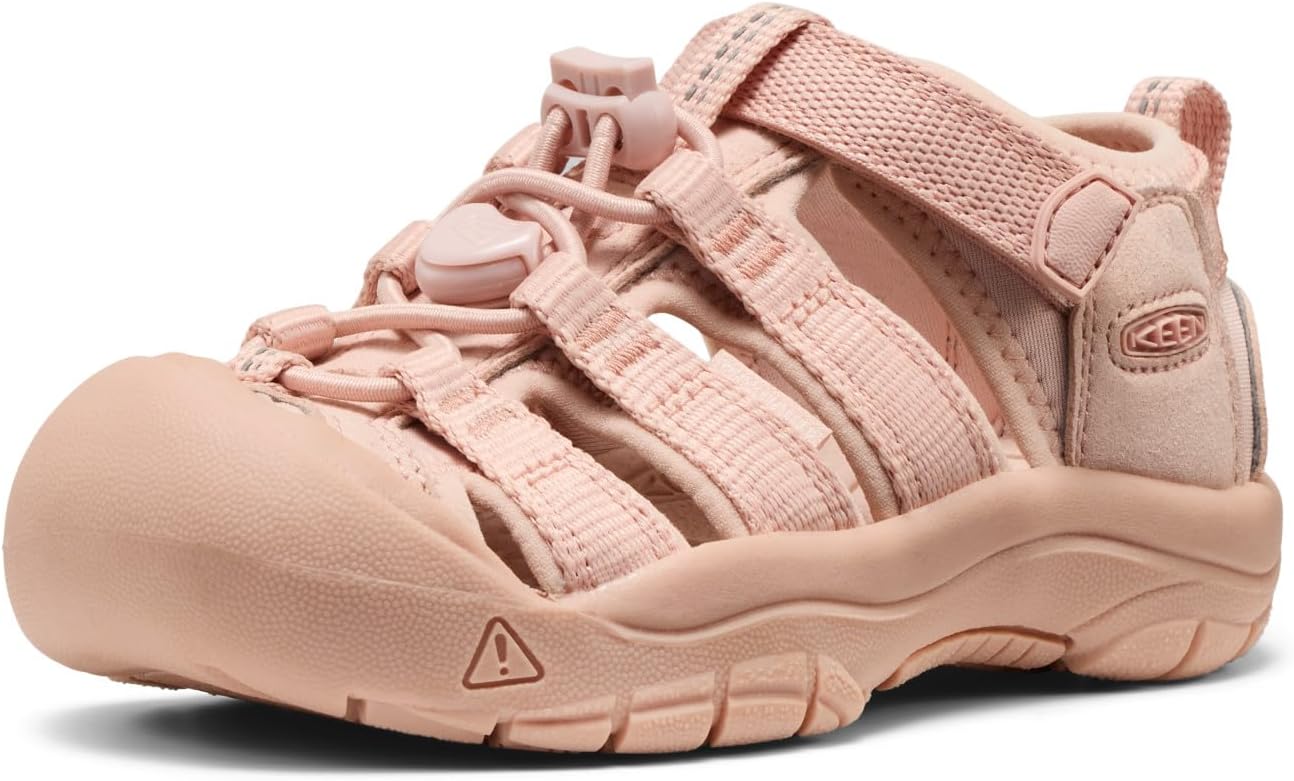

Caregiver questions
Are swim shoes and water shoes the same thing?
They can overlap heavily in retail use. The label alone does not establish a distinct design, so compare toe coverage, opening, closure, sole and drainage construction.
What is an aqua sock?
It is commonly used for a close-fitting, pull-on style intended around water, but the exact upper, sole and fastening still need inspection.
Does “pool shoe” mean the outsole will not slip?
No. A venue word is not a guarantee of traction. Check the exact maker's information, facility rules and the condition of the actual pair.
Is a water sandal always open-toe?
No. Some sandal-shaped water footwear has a covered front. Describe the actual construction instead of inferring it from “sandal.”