 Crocs
CrocsToddler shoe guide
How Should Toddler Water Shoes Fit? Toe, Heel and Closure Checks
Check toddler water-shoe fit at the toes, heel and closure, then repeat the test after damp wear before the first pool or beach outing.
Start here
Toddler water shoes should leave the toes uncompressed, hold the heel without repeated lifting, and fasten within the useful middle of the closure range. Check both feet while the child is standing, watch several ordinary movements, and repeat the inspection after a brief damp session because wet materials can feel and behave differently. A size label alone cannot confirm this fit.
Begin with the shoe opened completely
A water shoe can appear short when the real problem is a narrow opening or a closure that was not released fully. Loosen every strap, toggle, lace or hook-and-loop tab before guiding the foot inside. The heel should settle at the back without toes curling during entry. If a caregiver must push hard, fold the heel counter or pull against the child’s toes, stop and reconsider the opening, size or shape. Entry difficulty is useful evidence; it should not be solved by forcing the foot through.
Use the socks, swim socks or bare-foot setup planned for the outing, provided the maker allows that setup. Measure and fit both feet rather than assuming they match. Seat each heel, fasten the shoe with ordinary hand pressure, and let the child stand naturally. This creates the starting position for the three checks below. It also keeps a generous-looking toe area from distracting from pressure across the instep or looseness around the rear of the foot.
Check 1: map the toe area while standing
Look for usable space ahead of the longest toe, not empty length somewhere else in the shoe. With an enclosed upper, feel gently from above or use the brand’s removable-insole method if its instructions support one. The toes should lie flat rather than bunching, overlapping or pressing visibly against the upper. Also inspect the broadest part of the forefoot. Adding length to escape a tight sidewall can leave the bend point and heel in the wrong places, so a different width or shape may be more appropriate than a longer pair.
Next, observe a squat and several steps. Toe space that seems acceptable while seated may disappear when weight moves forward. Conversely, a very long shoe may catch at the front or encourage the foot to slide before the upper begins to flex. The goal is neither a painted-on fit nor a large pocket for future growth. Follow the exact maker’s allowance and chart, then use movement to determine whether that starting size works on this child.
Check 2: follow the heel through movement
Watch the back of each shoe during a straight walk, a turn and a gentle rise onto the toes. A small amount of material movement is not automatically the same as the heel leaving the footbed. What matters is whether the foot stays centered and whether repeated lifting changes the child’s stride. Pause if the heel pumps noticeably, the shoe twists around the foot, or the child grips with the toes to keep it on. Those signs call for another adjustment or another shape, not an extra-tight closure.
Inspect the collar afterward. It should not dig into the ankle or leave a concentrated mark after this brief check. A taller collar is not automatically more secure, and a soft collar is not automatically a better fit; the interaction with the child’s heel shape matters. Compare left and right separately. If one heel stays settled and the other moves, fit to the harder foot and consider whether the shoe provides enough independent adjustment.
Check 3: read the closure range
The closure should secure the shoe without reaching an extreme. A hook-and-loop tab that barely catches offers little room for adjustment, while a tab pulled far past its intended landing area may signal excess volume. A toggle should remain positioned as the manufacturer directs rather than being cinched until the upper puckers. After fastening, slide a finger lightly around accessible edges and look for a smooth upper. Deep creases, bulging tissue or a strap that repeatedly releases deserve a different fit decision.
Ask whether the same fastening can be repeated at the pool gate with damp hands and an impatient toddler. Repeatability is part of fit: a shoe that is secure only after a complicated series of tugs is unlikely to be fastened consistently. Mark the normal tab position mentally or with a removable reference approved for the material. If it shifts substantially during a short wear, check whether the closure is slipping, collecting debris or simply set too loosely.
Repeat the test after the shoe becomes damp
Dry indoor fitting is the first screen, not the whole water-shoe evaluation. If the care instructions permit it, dampen the pair in a controlled setting and let the child wear it briefly on an appropriate surface under close supervision. Some uppers soften, some linings hold water, and some footbeds become easier for the foot to slide across. Do not assume the change will go in one direction. Recheck toe position, heel hold and closure tension using the same observations as before.
Remove the shoes and look at both feet. New rubbing, a localized red area, wrinkled skin at a pressure point, or debris trapped against the foot means the trial has produced a useful stop signal. Rinse or clean the pair according to its directions and allow it to dry before another session. A ten-minute check cannot predict every outing, but it can reveal problems that a dry size check misses.
Separate fit problems from care problems
Sand under the insole, a folded liner or a closure clogged with grit can make a correctly sized shoe feel wrong. Before changing sizes, empty the shoe, smooth removable components into their intended positions and confirm that drainage openings are clear. Then rerun the standing check. If the same pressure or slipping returns in a clean pair, treat it as a fit or shape issue rather than planning to tolerate it during the outing.
Build a simple before-and-after routine: open, inspect, fasten, observe, remove, rinse and dry. This workflow is more informative than relying on a thumb-width shortcut because it considers width, volume, heel geometry and the wet environment. It also makes changes easier to notice as the child grows. Record the size, sock setup and closure position if more than one pair is being compared.
Make the outing decision
Keep the pair for its planned water use only when all three zones work together: the toes remain free, each heel stays centered, and the closure holds without extreme tension. The shoe also needs to comply with the venue’s rules and the maker’s stated use. Recheck shortly after the activity begins and whenever the child reports discomfort, changes gait, repeatedly pulls at the shoes or collects debris inside them.
For category browsing, the toddler water-shoes collection is the next step; use the fit mechanics here to evaluate any candidate rather than treating a closure label as a recommendation. The sixty-second fit check can help repeat the dry inspection on another day. This page does not rank products or promise slip prevention. Its job is to make the fit decision observable before a longer pool or beach session.
Reviewed model starting points
Compare current exact Amazon offers
These model families connect to a verified direct Amazon listing. Check the selected size, width and color because availability and features can vary.
As an Amazon Associate I earn from qualifying purchases.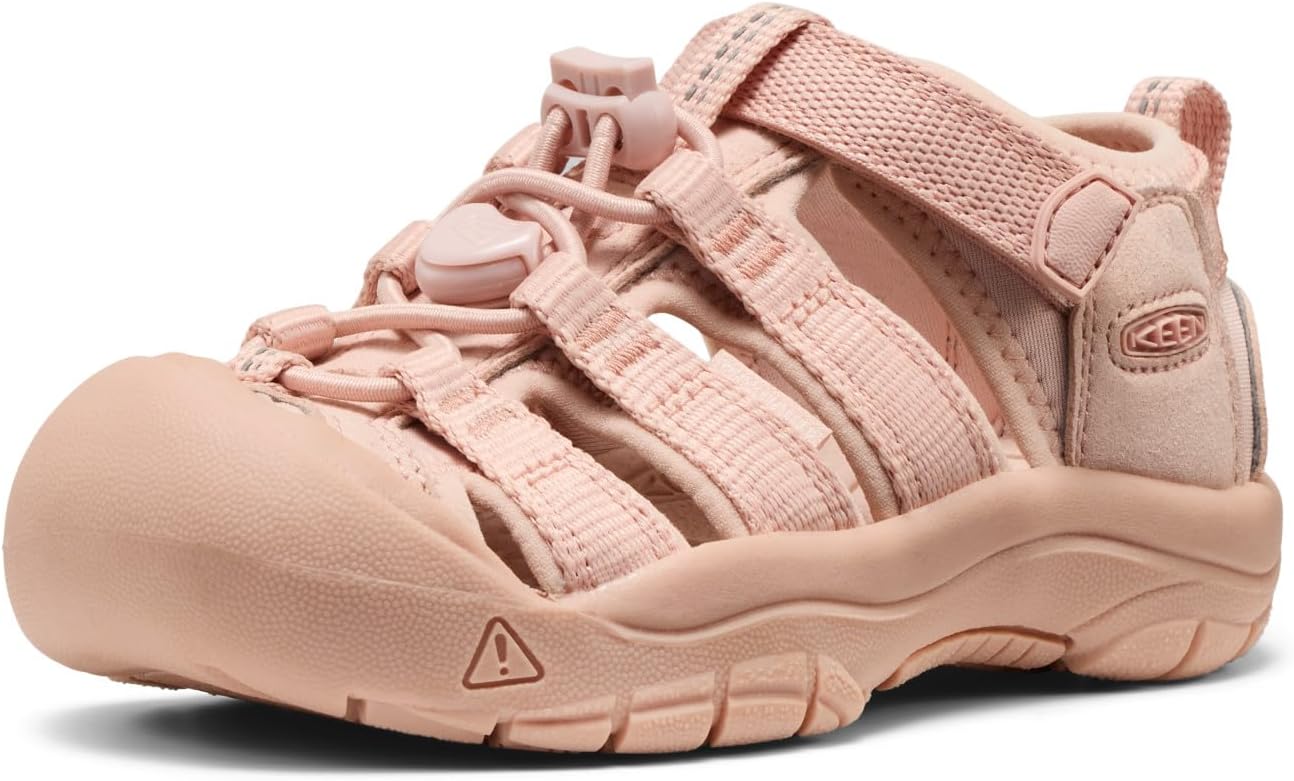

Caregiver questions
Should toddler water shoes feel tighter than everyday shoes?
They should feel secure, but tighter is not the goal. The toes still need usable room, the upper should not create concentrated pressure, and the heel should stay centered without overtightening the closure.
Is heel lifting always a sign that the size is too large?
No. Heel movement can relate to length, heel shape, overall volume or the way the closure holds the foot. Refasten once normally; if lifting continues, compare another size or shape instead of simply tightening harder.
Can I fit water shoes while they are dry?
Use a dry check first, then add a brief damp trial only if the maker’s instructions allow it. Reinspect the toes, heel, closure and skin because damp materials and a wet foot can change how the pair behaves.
How often should I recheck the fit?
Check before a new season, after a growth change and whenever the closure position, gait or comfort changes. A quick inspection at the start of each outing can also catch debris, a folded liner or an improperly fastened strap.