 Crocs
CrocsTravel and Routines
Toddler Beach Vacation Shoe Packing: A Two-Job Plan
Pack toddler shoes for a beach vacation by separating wet shoreline use from dry travel, meals and walks, with a practical drying and backup plan.
Start here
The smallest useful beach shoe plan is not one pair for every moment. It is one wet-job option, one dry-job option, and a clear place for each pair to recover.
Make the wet-versus-dry decision before opening the suitcase
A beach vacation usually asks footwear to do two incompatible jobs. The shoreline pair may meet salt water, fine sand, shells, rinsing stations, or a damp bag. The travel pair may spend hours in a car or airport, then appear at breakfast, on a paved walk, or inside a cool restaurant. Trying to make one damp, gritty pair cover both jobs can create more packing trouble than carrying a second compact option. Start by naming the wet route and the dry route, then assign a candidate to each.
This does not require a large vacation wardrobe. For many trips, a secure water-oriented pair plus the toddler's current everyday closed shoe is enough. A barefoot beach does not erase the need to cross a hot-looking walkway, rough parking area, boardwalk, restroom, or other surface where footwear may be required. Conversely, a closed everyday sneaker should not be volunteered for immersion unless the exact maker permits that use and its recovery time fits the schedule.
Draw one real beach day as a route map
Write the day in order: room, elevator, breakfast, car, parking lot, boardwalk, sand, water, rinse station, lunch, and evening walk. Circle the places where the child will actually walk rather than ride or be carried. Then mark wet surfaces, rough ground, indoor rules, and transitions that offer no convenient place to change. That simple route exposes whether the wet pair needs to remain comfortable beyond the water or whether it can be put on only at the beach entrance.
Consider a morning with a shell-strewn access path and lunch immediately afterward. The wet pair must stay secure through the access path, but the dry pair should remain isolated from the sandy towel pile so it is ready for lunch. On a resort trip where the room sits steps from a smooth pool deck, the change point may be easier. The route, not the word vacation, determines how much coverage, adjustment, and backup the plan needs.
Choose the wet pair by transitions, not by a beach label
Inspect how the candidate enters, fastens, drains, and releases trapped debris. An open design may shed water quickly yet admit sand or expose more of the foot; a closed design may cover more yet hold sand against skin until it is removed and rinsed. Neither construction wins in every setting. Check the outsole pattern against the surfaces on the route, while remembering that no tread makes wet algae, polished tile, or moving water risk-free. Adult supervision and site rules still control the outing.
Fit the pair dry before the trip with both feet measured and the current chart in hand. Open it fully, fasten it as intended, and watch a clean indoor walk, turn, and crouch. A water shoe that is loose when dry may become more distracting when saturated, while a tight opening can make repeated changes unpleasant. Do not use water to rescue an uncertain fit; establish the fit first, then follow the exact product's use and care directions.
Protect the dry pair from the beach bag
The dry pair earns its suitcase space only if it remains dry. Give it a separate breathable packing area or a clean shoe pouch, and never return it to the same sealed pocket as wet footwear. A small routine helps: wet shoes come off at the rinse point, loose sand is removed without grinding it into the upper, and the pair travels in a leak-resistant temporary container only until it can be opened and dried. The temporary container is transport, not storage.
Choose the dry shoe for the rest of the itinerary. If it is already the child's familiar everyday pair, confirm current fit shortly before departure rather than assuming last month's fit persists. Check hotel or venue expectations, planned walking surfaces, socks, and the adult who will manage changes. A dressy meal does not automatically require a third pair; decide whether the clean everyday shoe is acceptable before packing an occasion-only option.
Build drying time into the accommodation plan
Before leaving home, read the care instructions for both exact pairs. Note whether removable insoles should be handled separately, what cleaning agents are allowed, and which drying methods are prohibited. Do not assume a machine-washable claim applies to a different color or similarly named model. At the accommodation, identify a ventilated place away from direct heat, busy walkways, and curious hands. Stuffing, heating, or sun exposure should be used only when the manufacturer permits it.
Drying is a schedule issue as much as a care issue. If the wet pair will be used at sunset and again at breakfast, ask whether it can realistically recover overnight under permitted conditions. If not, adjust the itinerary, alternate activities, or pack a second wet-use option only when the repeated use justifies it. A vacation plan is more reliable when it does not require footwear to dry faster than it actually can.
Pack a tiny shoe-support kit instead of another random pair
A useful kit can be smaller than one toddler shoe. Include the socks planned for the dry pair, a clean cloth if approved for its material, a bag for temporary wet transport, and a label that can survive the trip. Add any manufacturer-directed care item already used at home; vacation is not the ideal time to experiment with a new cleaner. If grit commonly collects inside the chosen wet pair, make sure the route includes a place to remove and rinse it rather than packing tools that encourage scraping.
Keep emergency thinking proportionate. A spare dry sock can solve a minor splash during travel, but it cannot make a saturated shoe dry. A backup pair cannot compensate for shoes that never fit. The kit should support a proven two-job plan, not bury a questionable choice under accessories. Photograph or save the current care directions and return information before departure if the trip begins soon after purchase.
Run a doorway rehearsal and edit the bag
Two or three days before departure, stage one complete change on a clean floor. Put on the dry pair with its intended socks, then practice removing it, isolating it, and putting on the wet pair. Confirm that the caregiver can operate both closures without forcing the foot or overtightening. Check whether the child can walk naturally in each and whether the wet-pair bag fits where planned. This rehearsal catches missing socks, awkward openings, and unrealistic change points without the pressure of a beach entrance.
Afterward, remove anything without a named job. Keep a third pair only if the itinerary supplies a distinct requirement, such as a formal venue with a dress rule or a cold excursion that neither beach option can handle. Recheck both feet after the trip if there was heavy use, visible rubbing, or a long gap since the last measurement. The best packing list is the lightest one that still preserves a dry, well-fitting option.
Reviewed model starting points
Compare current exact Amazon offers
These model families connect to a verified direct Amazon listing. Check the selected size, width and color because availability and features can vary.
As an Amazon Associate I earn from qualifying purchases.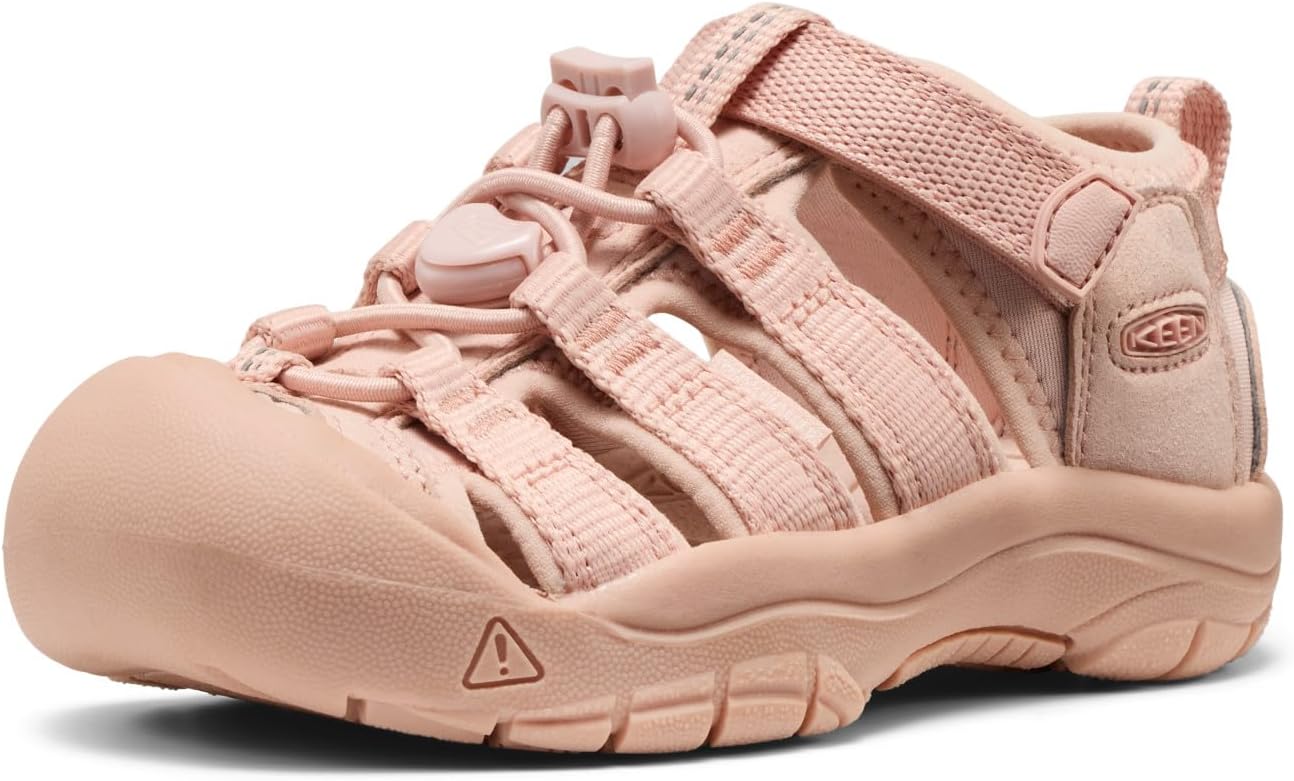

Caregiver questions
Can one pair of toddler water shoes cover an entire beach vacation?
Only if the exact pair fits the child, suits every walking surface and venue, and can recover between uses. In many itineraries, separating a wet shoreline pair from a clean dry pair is simpler and more reliable than asking one sandy pair to handle meals, travel, and water.
Should toddler beach shoes go in checked luggage or a carry-on?
Keep the footwear needed before baggage collection with the child. That may mean wearing the everyday pair and packing the compact wet pair in the carry-on. Follow airline baggage rules and isolate the wet pair on the return journey so moisture and sand do not spread.
Do toddlers need shoes directly on soft sand?
The answer depends on the site, surface conditions, temperature, debris, rules, and supervision. Plan for the entire route to the sand, including parking areas, paths, boardwalks, restrooms, and rinse stations, rather than assuming the soft-sand portion represents the whole outing.
How can I keep sand out of the clean shoe pair?
Give the dry pair its own clean compartment and change only after feet are rinsed or carefully cleared and dried. Move wet shoes in a temporary container, then open that container for permitted cleaning and ventilation as soon as practical.